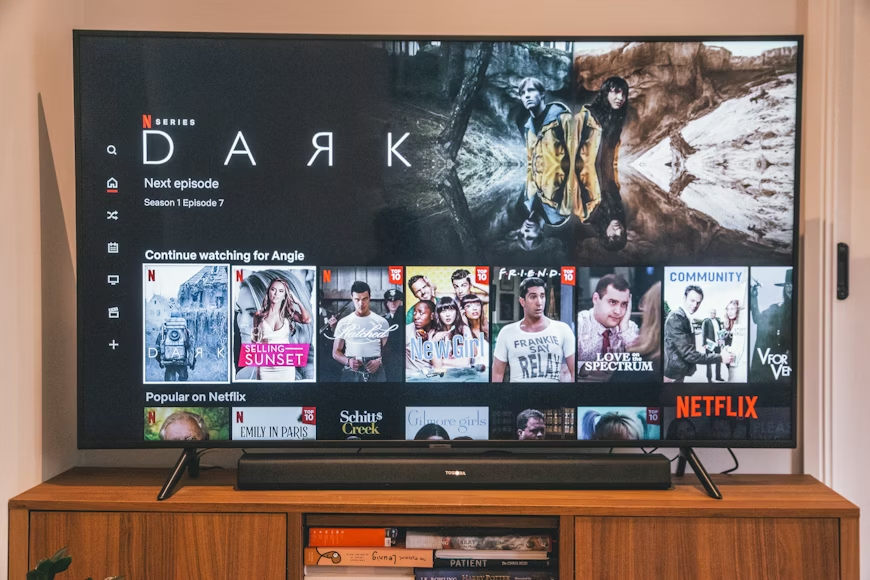
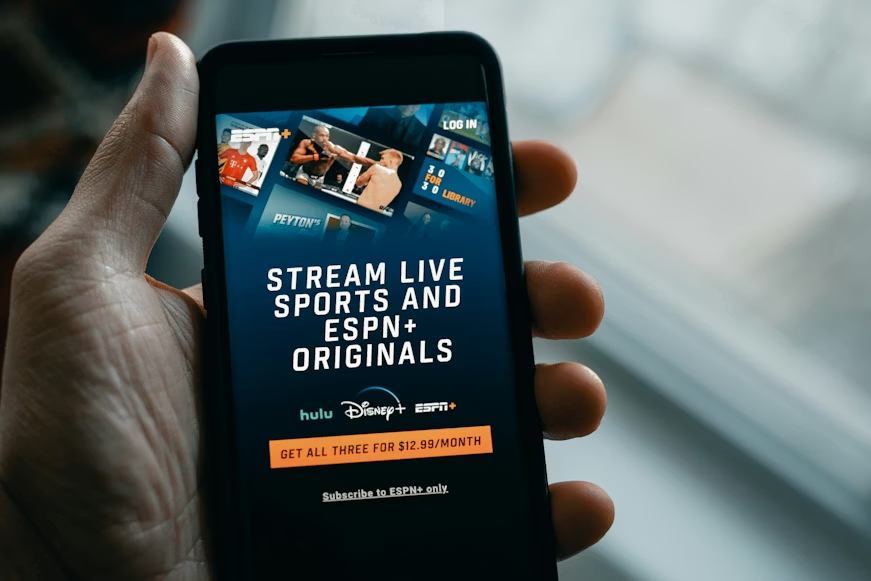
Understanding Disney bundle vs standalone subscriptions differences in terms of perceived value and actual value is the key to deciding whether the Disney bundle makes financial sense for your household.
As streaming prices continue to rise, bundled subscriptions have become one of the most common strategies companies use to retain customers. Disney has leaned heavily into this model by combining Disney+, Hulu, and ESPN+ into a single package that covers family entertainment, general streaming, and live sports.
For many households, the Disney bundle appears to offer obvious savings compared to subscribing separately. But whether the bundle actually saves money depends entirely on viewing habits. Some viewers genuinely benefit from the combined ecosystem, while others pay for services they barely use simply because the bundle feels like a “better deal.”
The Disney Bundle Covers a Wide Range of Entertainment
One reason the Disney bundle attracts so many subscribers is its broad entertainment coverage.
Disney+ focuses heavily on family programming, Marvel, Star Wars, Pixar, National Geographic, and major Disney franchises. Hulu adds general entertainment, current television, originals, and adult-focused content. ESPN+ brings sports coverage, live events, and exclusive sports programming into the mix.
Together, the services create a fairly comprehensive streaming ecosystem that appeals to a wide range of households.
Families often appreciate having children’s programming and adult content separated cleanly across Disney+ and Hulu. Sports fans may find ESPN+ valuable for supplemental sports coverage and exclusive events.
For households actively using all three platforms, the bundle can deliver strong overall value.
See Apple TV+ vs Netflix: Quality vs Quantity Debate for another streaming comparison.
Bundles Feel Cheaper Because They Are Compared to Full Price
One important psychological factor behind streaming bundles is comparison pricing.
The Disney bundle is marketed against the combined standalone prices of Disney+, Hulu, and ESPN+. On paper, the bundled rate usually appears cheaper than paying for all three individually.
However, this only matters if you would genuinely subscribe to all three services separately in the first place.
Many viewers primarily want Disney+ but rarely use Hulu or ESPN+. Others mainly care about Hulu while barely touching the Disney content library. In those cases, the bundle may still increase total monthly spending, even though it appears like a savings opportunity.
Bundles create value through usage, not simply through discounted pricing.
Families Often Benefit the Most
The Disney bundle tends to work especially well for households with varied viewing preferences.
Parents may use Hulu for dramas and current television, while children focus heavily on Disney+ content. Sports viewers in the household may occasionally use ESPN+ for live events or exclusive coverage.
This diversity of entertainment needs makes the bundle easier to justify because multiple family members actively contribute to the value received.
In many households, the combined package also reduces the need for additional subscriptions, further improving the overall financial picture.
For families trying to simplify streaming while covering a broad range of interests, the Disney bundle can function almost like a mini streaming ecosystem on its own.
Explore Streaming for Families: How to Balance Kids, Parents, and Shared Accounts for household viewing tips.
Standalone Subscriptions Offer More Flexibility
While bundles provide convenience, standalone subscriptions offer greater control.
Viewers who mainly watch one type of content often save more by subscribing only to the specific platform they actively use. Someone focused almost entirely on Disney franchises may have little reason to maintain Hulu or ESPN+ year-round.
Likewise, some viewers rotate Hulu seasonally while leaving Disney+ inactive for months at a time.
Streaming flexibility becomes harder when services are permanently tied together in one bundled payment.
For minimalist streamers, smaller targeted subscriptions often reduce waste more effectively than large entertainment bundles.
ESPN+ Is Often the Weakest Link for Casual Viewers
One reason some households struggle to maximize the Disney bundle is ESPN+ usage.
Unlike traditional ESPN cable channels, ESPN+ focuses more heavily on supplemental sports content, niche events, select live broadcasts, and exclusive programming. Casual sports viewers sometimes expect full ESPN network access and become disappointed when certain games or broadcasts still require cable or live TV subscriptions.
For dedicated sports fans, ESPN+ can still provide meaningful value. For casual viewers, however, it may become the least-used portion of the bundle.
This matters because unused services reduce the real savings advantage of bundled pricing.
The best streaming value always depends on actual household behavior, not theoretical access.
Check Sling TV vs Fubo: Best for Sports Fans? before adding sports-focused services.
Ad-Supported Plans Change the Math
Another factor affecting bundle value is the rise of ad-supported subscription tiers.
Disney, Hulu, and many competing platforms now offer lower-cost plans that include advertising. These tiers significantly change pricing comparisons between bundled and standalone options.
Some households find ad-supported bundles deliver excellent value because the monthly cost stays relatively low. Others strongly prefer ad-free viewing and discover that the upgraded bundle pricing becomes much less attractive.
The decision often comes down to personal tolerance for advertising versus monthly savings.
For budget-conscious viewers, ad-supported bundles may provide the best balance between affordability and content variety.
Learn How to Track Your Streaming Spending Like a Pro to avoid hidden subscription waste.
The Best Option Depends on Viewing Habits
There is no universal answer to whether the Disney bundle saves more money.
For families and households actively using Disney+, Hulu, and ESPN+, the combined package often delivers strong value and simplifies subscription management. For more selective viewers, standalone subscriptions may reduce waste and improve flexibility.
The most important question is not whether the bundle looks cheaper on paper. It is whether your household truly uses enough of the included services to justify keeping them active consistently.
Streaming value is no longer just about content quantity. It is about how closely subscriptions match real entertainment habits.