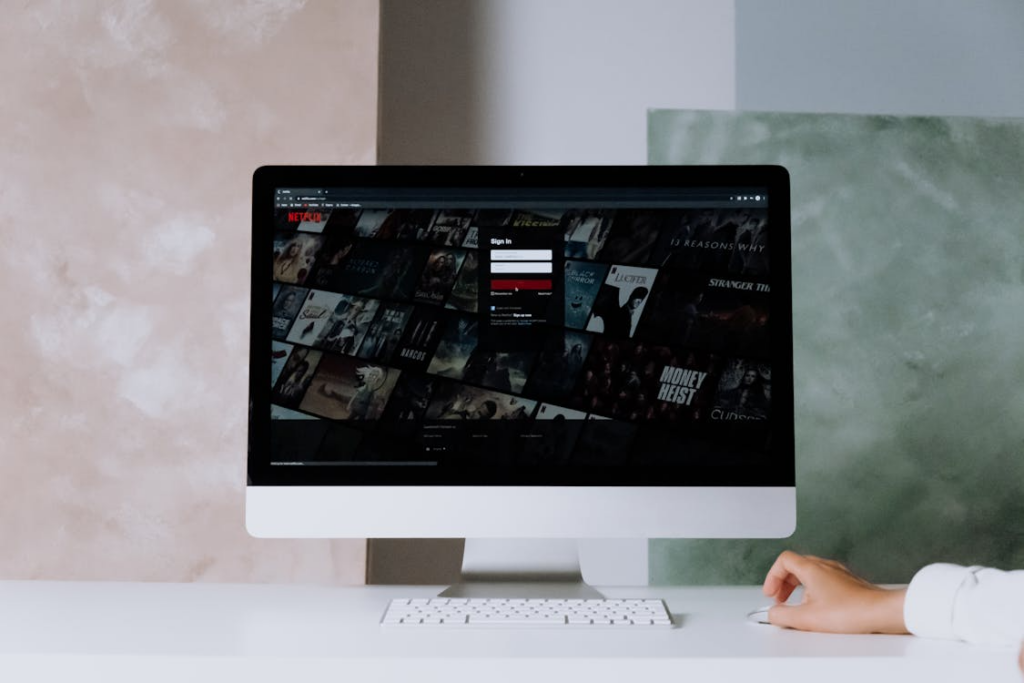

Understanding the true cost of cord-cutting helps households see the full financial picture, make smarter decisions, and avoid unnecessary spending.
Cord-cutting is often marketed as a guaranteed way to save money. In many cases, it absolutely can reduce monthly entertainment costs. But for some households, savings are lower than expected, especially as hidden expenses pile up over time.
Streaming services may eliminate cable contracts and equipment rentals, but they also introduce new costs that many people overlook during the transition. The result is that some former cable subscribers slowly rebuild cable-sized bills through streaming subscriptions, internet upgrades, and hardware purchases.
Streaming Subscriptions Add Up Quickly
The highest hidden cost of cord-cutting is subscription stacking. Many viewers begin with one or two services, then gradually add more without realizing how much the combined total has grown.
Netflix, Disney+, Max, Hulu, Paramount+, Peacock, sports packages, premium add-ons, and live TV services can quickly push monthly streaming costs far higher than expected.
Live TV streaming services are especially important to evaluate carefully. Platforms like YouTube TV, Hulu + Live TV, and Fubo often cost significantly more than standard on-demand subscriptions because they include sports, local channels, and cloud DVR features.
For households trying to save money, streaming only works if subscriptions remain intentional instead of accumulating endlessly.
Learn How to Track Your Streaming Spending Like a Pro before subscriptions pile up.
Internet Costs Often Increase
One expense many new cord-cutters overlook is internet service.
Streaming relies entirely on a stable internet connection, especially in households with multiple TVs, tablets, phones, and smart devices running simultaneously. As streaming usage grows, some households discover their old internet plans no longer perform well enough.
This often leads to upgrading to higher-speed broadband packages or removing data caps. In some regions, internet providers also charge equipment rental fees for modems and routers.
Ironically, internet companies know streaming depends on broadband, which sometimes limits how much total savings cord-cutters actually achieve.
The monthly cable bill may disappear, but the internet bill often becomes more important than ever.
Compare The Best Internet Speeds for Streaming Without Interruptions before upgrading your internet.
Streaming Devices Are Usually Necessary
Another hidden expense is hardware.
While many smart TVs include built-in streaming apps, dedicated streaming devices often provide smoother performance, faster updates, and better long-term reliability. Roku, Fire TV Stick, Apple TV 4K, and Chromecast devices all add upfront costs to a streaming setup.
Some households also upgrade televisions, Wi-Fi systems, or sound equipment during the transition away from cable.
None of these purchases is necessarily a bad investment, but they still affect the overall financial picture of cord-cutting.
The initial setup cost may be lower than years of cable bills, but it is rarely zero.
Sports Fans Often Face Higher Costs
Sports remain one of the most complicated parts of modern cord-cutting.
Viewers who primarily watch movies and TV shows can often build inexpensive streaming setups. Sports fans, however, frequently need more expensive live TV services or specialized sports packages to maintain access to games and regional coverage.
Regional sports networks, league-specific apps, blackout restrictions, and premium live TV subscriptions can dramatically increase streaming costs.
Some sports fans discover they end up paying nearly as much as they did with cable once all the necessary subscriptions are combined.
This does not mean cord-cutting fails for sports viewers, but it does mean sports-heavy households need to budget more carefully.
See Sling TV vs Fubo: Best for Sports Fans? before choosing sports access.
Convenience Can Lead to Overpaying
Streaming’s greatest strength is flexibility, but that flexibility can also encourage overspending.
Because subscriptions start instantly, viewers often sign up impulsively for a single show, a free trial, or a live event and then forget to cancel afterward.
Many households pay for several lightly used subscriptions simply because the individual monthly charges seem small in isolation.
This creates “subscription creep,” where entertainment spending gradually expands without much awareness.
Regular subscription audits are one of the most effective ways to prevent streaming costs from quietly becoming excessive.
Free Streaming Can Offset Many Costs
One of the best ways to reduce hidden cord-cutting expenses is by incorporating free streaming services into the entertainment mix.
Platforms like Tubi, Pluto TV, Roku Channel, and Freevee offer large libraries of movies, TV shows, and live channels supported by ads.
Many viewers realize they can replace some paid subscriptions entirely once they start using these free platforms more regularly.
Free streaming works especially well for casual viewing, background television, classic programming, and older movie libraries.
For budget-conscious households, these services often become the difference between affordable cord-cutting and expensive subscription overload.
Explore The Ultimate Guide to Free Streaming Services for free options.
Cord-Cutting Still Offers More Control
Despite the hidden costs, cord-cutting still provides something traditional cable rarely offers: flexibility and control.
Viewers can rotate subscriptions, cancel services instantly, customize entertainment setups, and avoid long-term contracts. That freedom matters, especially as entertainment habits continue shifting rapidly.
The key is to approach streaming intentionally rather than recreating oversized cable bundles with endless subscriptions.
Cord-cutting saves the most money when viewers actively manage their streaming stack, understand their viewing habits, and resist paying for services they rarely use.
For many households, the real benefit is not simply spending less. It is gaining more control over where entertainment dollars actually go.