The best choice in YouTube TV vs Hulu Live TV is not necessarily the one with the most channels. It is the one that best fits your viewing habits and budget.
For cord-cutters who still want live television, YouTube TV and Hulu + Live TV remain two of the biggest names in streaming. Both services aim to replace traditional cable by offering live channels, sports, local broadcasts, cloud DVR, and on-demand content without long-term contracts. At first glance, they appear very similar. In practice, however, the experience they deliver can feel quite different for different viewers.
Choosing between them comes down to priorities. Some households value simplicity and sports coverage, while others want stronger bundled entertainment options. Understanding where each platform excels helps cord-cutters avoid paying for features they may not actually use.
YouTube TV Feels More Like Traditional Cable
For many former cable subscribers, YouTube TV provides a smoother transition.
The interface is clean, organized, and built around a familiar live TV guide structure. Browsing channels, recording shows, and navigating sports events feels relatively intuitive, even for viewers who are not especially tech-savvy.
One of YouTube TV’s biggest strengths is its unlimited cloud DVR. Viewers can record sports, series, movies, and events without worrying about storage caps. This feature alone makes the service highly attractive for households that regularly time-shift live programming.
YouTube TV also performs particularly well for sports fans because of its broad sports channel lineup and stable streaming experience.
The downside is pricing. YouTube TV sits at the premium end of live TV streaming services, especially after optional add-ons are included.
Learn How to Watch Live TV Without Cable in 2026 for more live TV options.
Hulu + Live TV Offers a Bigger Overall Entertainment Bundle
Hulu + Live TV takes a different approach by combining live television with an extensive on-demand ecosystem.
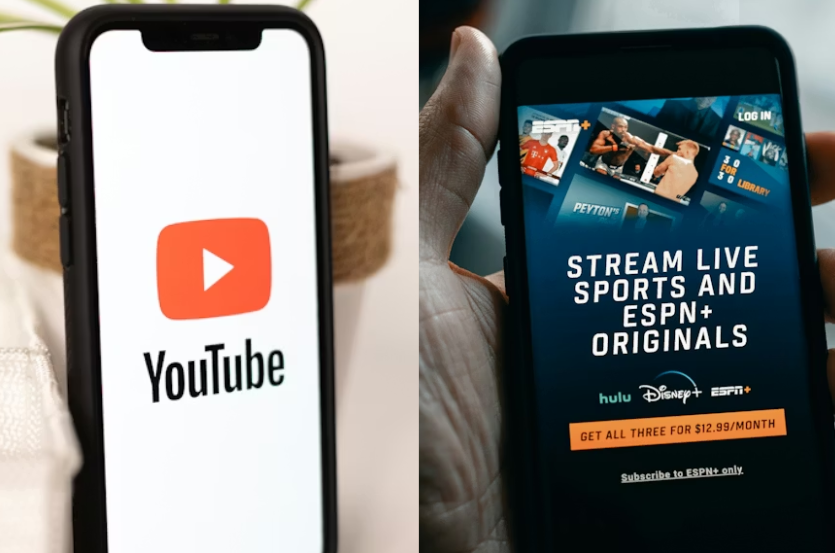
Many plans bundle Hulu’s streaming library together with Disney+ and ESPN+, creating a much broader entertainment package than live TV alone. For households already interested in those services, the combined value can become very attractive.
Families often appreciate the built-in access to Disney programming, while sports viewers benefit from ESPN+ integration. Hulu’s original content library also adds substantial on-demand value beyond the live channel lineup.
This bundled approach makes Hulu + Live TV feel more like an all-in-one streaming hub rather than simply a cable replacement.
However, the interface can feel busier and more content-heavy compared to YouTube TV’s cleaner layout. Some users also find live channel navigation slightly less intuitive.
Compare Disney+ Bundle vs Standalone Subscriptions: What Saves More? before valuing bundled perks.
Channel Lineups Are Similar, But Differences Matter
Both services offer broad channel selections, including entertainment, sports, news, and local affiliates, across many regions.
For most casual viewers, the overlap is significant enough that either service will cover the majority of everyday viewing needs. However, channel availability can still vary depending on local markets and licensing agreements.
Sports fans should pay especially close attention to regional sports coverage and specialty channels before choosing between the two platforms. Small differences in lineup availability may matter heavily depending on which teams or leagues you follow.
Local channel access is also worth checking carefully, particularly for viewers who rely heavily on local news or network broadcasts.
The best approach is to compare the exact channels your household watches most frequently, rather than focusing only on total channel counts.
Check How to Cut the Cord Without Losing Local Channels before choosing live channels.
DVR and User Experience Can Make the Difference
Cloud DVR functionality plays a major role in how live TV streaming feels day-to-day.
YouTube TV’s unlimited DVR storage remains one of its strongest advantages. Recording sports seasons, movies, and series feels nearly effortless.
Hulu + Live TV also offers DVR features, but some viewers find the overall experience less streamlined.
User interface preference matters more than many people expect. Households that watch a lot of live television often care deeply about guide layouts, channel-switching speed, and recording management.
This is one reason YouTube TV continues attracting many former cable users. The experience feels more familiar and focused on live viewing.
Meanwhile, Hulu + Live TV often appeals more strongly to viewers who prioritize blended live-and-on-demand entertainment.
Pricing Depends on How You Already Stream
Pricing comparisons between these services are more complicated than they first appear.
At the base level, the monthly costs often sit relatively close together. However, Hulu + Live TV’s bundled streaming services can create greater value for households that already pay separately for Disney+ or ESPN+.
In contrast, households that only care about live TV may prefer YouTube TV’s cleaner, more specialized approach.
Add-ons also matter. Premium channels, expanded DVR features, sports packages, and simultaneous-stream upgrades can significantly increase costs on either platform.
The “better value” depends heavily on what subscriptions you already maintain elsewhere.
Read The True Cost of Cord-Cutting: What People Don’t Factor In before comparing costs.
Cord-Cutters Should Prioritize Viewing Habits
The most common mistake people make when comparing live TV streaming services is focusing too heavily on features they may never use.
A household focused primarily on sports and live channels may feel happier with YouTube TV’s straightforward experience. Families seeking a broader entertainment ecosystem may find Hulu + Live TV more appealing for the bundled streaming content.
Neither service is objectively perfect for everyone.
The advantage of streaming is flexibility. Unlike with cable contracts, viewers can test services, rotate temporarily, and adapt over time as their entertainment habits change.
For most cord-cutters, the right choice comes down to which platform feels easiest and most enjoyable to use regularly.