In many cases, viewers can actually improve picture quality and reduce monthly costs at the same time.
One of the biggest concerns people have about cord-cutting is losing access to local channels. Even viewers ready to leave expensive cable packages behind often hesitate because they still rely on local news, weather coverage, network television, sports broadcasts, and emergency alerts tied to local stations.
Fortunately, you can often keep local channels without cable more easily than many viewers expect. Modern cord-cutters now have several reliable ways to access local programming without paying for traditional cable service.
Indoor Antennas Are the Simplest Solution
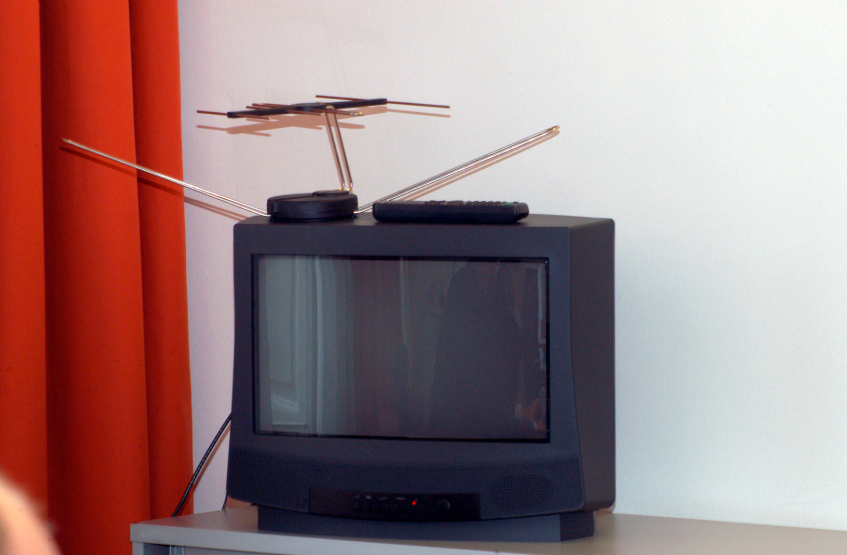
For many households, the easiest and cheapest way to keep local channels is to use an indoor TV antenna.
Modern over-the-air antennas can receive local broadcast stations like ABC, CBS, NBC, FOX, PBS, and other regional networks completely free in many areas. These channels often stream in HD, which looks surprisingly sharp because broadcast signals usually experience less compression than cable television.
Many viewers are shocked by how many local stations become available once they connect an antenna.
Indoor antennas work especially well in cities and suburban areas near broadcast towers. Rural locations may require larger outdoor antennas or stronger amplified models for stable reception.
Even inexpensive antennas often pay for themselves very quickly compared to recurring cable fees.
See Cord-Cutting for Seniors: Simple Streaming Setups That Actually Work for easier setups.
Streaming Services Now Include Local Networks
Live TV streaming services have also improved dramatically in local channel support.
Platforms like YouTube TV, Hulu + Live TV, Fubo, and DirecTV Stream now carry many local affiliates, depending on the viewer’s region. This allows cord-cutters to stream local news, sports, and network programming via internet-based live TV packages rather than traditional cable.
For households already interested in live sports or cable-style viewing, these services often provide the smoothest transition away from cable.
However, they are significantly more expensive than antenna-based solutions.
The key is determining whether you truly need a full live TV package or mainly want access to a handful of local stations.
Many Local Stations Stream Online for Free
Local television stations increasingly offer streaming access directly through their own apps and websites.
Many news broadcasts, weather reports, and breaking updates are now available live online without requiring cable subscriptions. Smart TVs, Roku devices, Fire TV, and mobile apps often include direct access to local station content.
For viewers primarily concerned about local news rather than network entertainment, these free streaming options may already solve the problem entirely.
This has become especially useful during severe weather events and emergency coverage, where stations prioritize broad public access.
In many cases, viewers can combine free station apps with antennas to cover nearly all local viewing needs without paid live TV services.
Explore Best Alternatives to Cable News Channels for Cord-Cutters for more local news options.
Sports Fans Need to Check Broadcast Rights Carefully
Local sports access can slightly complicate cord-cutting decisions.
Many NFL games, major sporting events, and network broadcasts remain available for free over the air through local affiliates. Antennas, therefore, work extremely well for football fans in particular.
However, regional sports networks tied to baseball, basketball, and hockey often require live TV streaming subscriptions because of licensing agreements.
Sports viewers should carefully review where their favorite teams actually broadcast games before deciding which local-channel solution works best.
For some households, antennas alone cover nearly everything. Others may still benefit from subscribing to selective live TV streaming services during sports seasons.
Understanding your actual viewing habits prevents unnecessary spending.
Antennas and Streaming Work Well Together
One of the smartest cord-cutting strategies is to combine antennas with streaming services rather than relying entirely on one or the other.
Antennas provide free local channels and live network broadcasts. Streaming platforms handle movies, original series, documentaries, and specialty programming.
This hybrid approach often creates the best balance between affordability and content variety.
Many cord-cutters discover they no longer need expensive live TV streaming packages once their antennas successfully restore local access.
A simple indoor antenna paired with Netflix, Hulu, Peacock, or other free streaming services often covers most household entertainment needs.
Learn How to Build a Streaming Stack That Replaces Cable Completely for a balanced setup.
Reception Depends on Your Location
Not every household receives the same antenna performance.
Distance from broadcast towers, terrain, apartment buildings, weather, and construction materials all affect signal quality. Before purchasing expensive equipment, viewers should check local broadcast maps and online signal-strength tools.
Fortunately, many modern antennas are relatively inexpensive, making experimentation fairly low risk.
Some households may need amplified antennas or outdoor installations for stronger reception. Others receive dozens of channels immediately with simple indoor models.
Testing different placements near windows or at higher elevations inside the home often significantly improves results.
Free Local Channels Reduce Long-Term Costs
One reason antennas remain so valuable for cord-cutters is that they reduce reliance on recurring subscription costs.
Live TV streaming packages continue to rise in price each year, often approaching cable-level monthly expenses. Antennas eliminate local-channel fees after the initial hardware purchase.
For budget-conscious households, this creates major long-term savings.
Free local access also reduces the pressure to maintain oversized streaming stacks for occasional network programming or local weather coverage.
Many cord-cutters end up using antennas far more than they initially expected.
Read The True Cost of Cord-Cutting: What People Don’t Factor In before replacing cable.
Cord-Cutting No Longer Means Losing Local TV
Years ago, local channels represented one of the biggest weaknesses of streaming. Today, that problem has largely been solved.
Indoor antennas, station apps, free streaming options, and modern live TV services all provide reliable ways to maintain local access without traditional cable subscriptions.
For many households, the combination of antennas and selective streaming actually creates a better entertainment experience than cable once provided.
The key is choosing the solution that matches your actual viewing habits instead of automatically paying for more than you truly need.