The goal is not simply to use more technology. It is important to understand whether the technology actually improves your streaming experience.
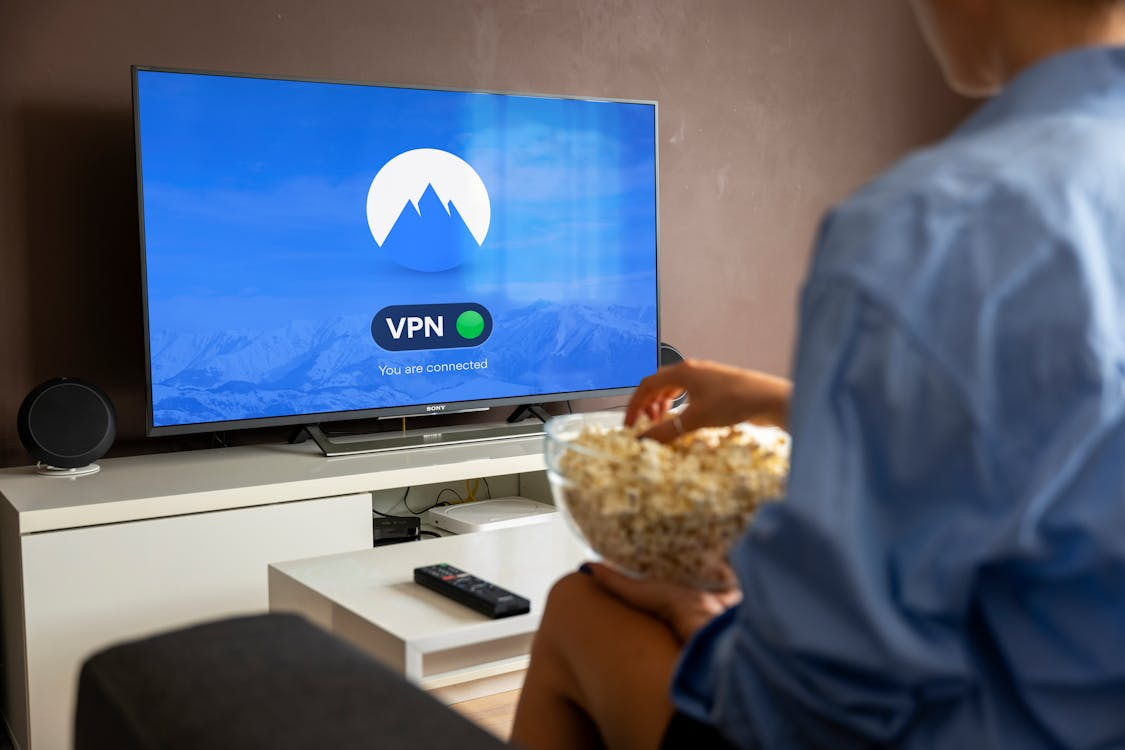
As streaming becomes more global, many viewers eventually hear about VPNs, short for Virtual Private Networks, and wonder whether they should use one while streaming. VPNs are often discussed in connection with privacy, protection against public Wi-Fi threats, international content access, and bypassing geographic restrictions. However, the reality is more nuanced than many online advertisements suggest.
For some viewers, a VPN can improve privacy and make streaming more flexible. For others, it may add unnecessary complexity or even reduce streaming performance. Understanding what VPNs actually do, and when they genuinely make sense for streaming, helps cord-cutters avoid confusion and unrealistic expectations.
A VPN Changes How Your Internet Connection Appears
A VPN works by routing your internet traffic through encrypted servers located in different regions or countries.
To streaming services and websites, this can make it appear as though you are browsing from a different location than where you are physically located. VPNs also add a layer of privacy by masking your IP address and encrypting your internet activity from local networks.
For general internet use, this can improve security, especially when using public Wi-Fi in hotels, airports, or coffee shops.
For streaming specifically, VPNs are most commonly associated with accessing content libraries tied to different geographic regions.
However, not every streaming service responds to VPN usage the same way.
See How to Share Streaming Accounts Without Breaking the Rules before changing access habits.
Some Viewers Use VPNs for Privacy
One legitimate reason to use a VPN while streaming is privacy.
Internet providers can often see general streaming activity and bandwidth usage patterns. Some viewers prefer to add an extra layer of encryption and anonymity to their internet traffic.
VPNs can also improve security when streaming on public or shared networks, especially while traveling.
For viewers concerned about data tracking, online profiling, or general browsing privacy, VPNs provide benefits beyond streaming alone.
That said, most home viewers using trusted private Wi-Fi networks may not notice major practical day-to-day differences from a streaming perspective.
Privacy value depends heavily on personal comfort levels and browsing habits.
International Content Access Drives Most Streaming Interest
The main reason many people discuss VPNs in connection with streaming is access to international content.
Streaming libraries often differ by country because of licensing agreements. A movie or show available in one region may not appear in another. Some viewers use VPNs to access foreign libraries or region-specific content unavailable locally.
For example, international films, sports broadcasts, anime, or television series sometimes release earlier or exclusively in certain markets.
However, streaming companies increasingly detect and restrict VPN usage for licensing reasons. Some services actively block known VPN servers, while others may display errors or limited libraries when VPNs are detected.
As a result, VPN effectiveness in accessing regional content varies constantly and cannot be reliably guaranteed over the long term.
VPNs Can Reduce Streaming Speeds
One downside many viewers overlook is that VPNs may reduce internet performance.
Because traffic gets routed through additional encrypted servers, streaming speeds can slow down depending on server quality, distance, and overall network congestion.
For HD streaming, the slowdown may barely matter. For 4K streaming, live sports, or weaker internet connections, using a VPN can increase buffering or noticeably reduce video quality.
Premium VPN services generally perform better than free VPNs, which often suffer from overcrowded servers and slower speeds.
For cord-cutters already struggling with internet stability, adding a VPN sometimes creates more frustration than benefit.
Reliable streaming still depends heavily on strong baseline internet performance.
Learn How to Improve Streaming Quality on Slow Internet Connections before adding another speed variable.
Public Wi-Fi and Travel Are Strong Use Cases
One area where VPNs make especially good sense is travel.
Hotels, airports, cafes, and shared public networks create higher security risks than private home internet connections. Streaming while traveling through unsecured Wi-Fi networks is safer when traffic is encrypted via a VPN.
Some travelers also use VPNs to maintain access to familiar streaming services while away from home.
Again, results vary depending on platform policies and regional restrictions, but travel remains one of the more practical use cases for streaming-related VPNs.
For viewers who rarely leave home or primarily stream through secure private networks, the advantages may feel less essential.
Check How to Watch Live TV Without Cable in 2026 for travel-friendly viewing options.
Free VPNs Often Create More Problems
Many free VPN services seem attractive at first, but they often come with major trade-offs.
Free VPNs often limit speeds, restrict data usage, inject advertising, or operate overcrowded servers that perform poorly for streaming. Some may also collect user data aggressively despite marketing themselves around privacy.
For viewers who use VPNs regularly, reputable paid providers generally offer far more stable performance and stronger privacy protections.
However, even premium VPNs should be viewed realistically. They are not magical streaming unlock tools that guarantee unrestricted global access to every platform.
Expectations matter.
Most Cord-Cutters Do Not Necessarily Need a VPN
Despite heavy marketing around streaming and VPNs, many cord-cutters may never actually need one.
If your primary goal is to watch Netflix, YouTube, Hulu, or live TV as you normally would at home, a VPN may add little practical value beyond occasional privacy benefits.
Streaming quality, Wi-Fi organization, and subscription management usually impact the viewing experience far more directly than VPN usage itself.
VPNs become most useful for travelers, privacy-focused users, or viewers with specific international content interests.
For everyone else, they are often optional rather than essential.
Explore How to Recreate Cable Channel Lineups Using Streaming Services before adding extra streaming tools.
Use VPNs Intentionally, Not Automatically
VPNs can absolutely serve legitimate purposes within modern streaming setups. They improve privacy, help secure public connections, and occasionally offer greater flexibility in geographic content access.
At the same time, they also introduce trade-offs involving speed, compatibility, and complexity.
The smartest approach is to use VPNs intentionally, based on actual needs, rather than assuming every streamer automatically benefits from one.
Like most cord-cutting tools, VPNs work best when they solve a specific problem rather than simply adding another layer of technology for its own sake.