Understanding 4K vs HD streaming helps viewers avoid overspending on features they may barely notice in daily use.
Streaming platforms aggressively promote 4K video as the future of home entertainment. Modern televisions advertise ultra-high-definition displays, streaming services charge extra for premium resolutions, and internet providers often push faster broadband plans specifically for 4K streaming. But many cord-cutters still wonder whether the upgrade actually delivers enough real-world improvement to justify the added costs.
The answer depends heavily on viewing habits, screen size, internet quality, and personal expectations. For some households, 4K creates a noticeably better entertainment experience. For others, HD streaming already looks excellent, and the practical differences remain surprisingly small.
4K Delivers Sharper Detail and Better Clarity
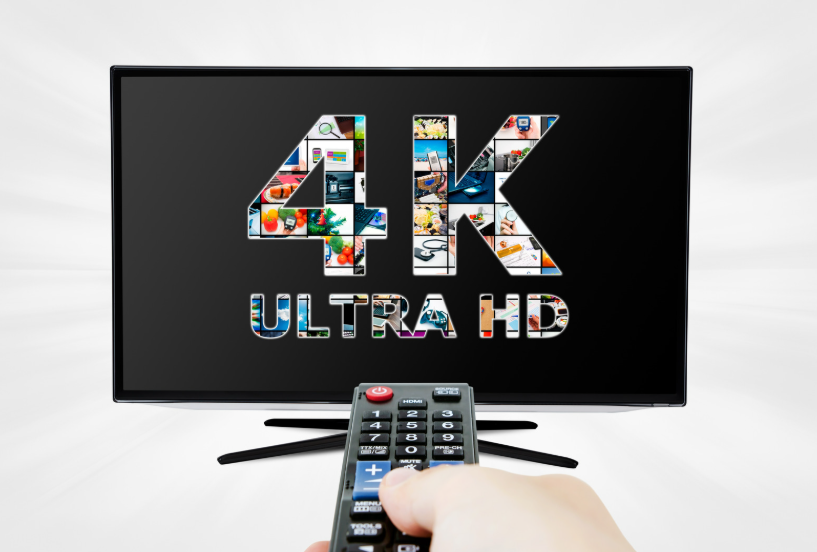
At its core, 4K means higher resolution.
Compared to standard HD, 4K has significantly more pixels, resulting in sharper images, finer detail, and improved overall clarity. On larger televisions, especially 4K, movies, sports, and nature programming appear more immersive and lifelike.
The improvement becomes most noticeable when sitting relatively close to large screens.
Modern streaming platforms also combine 4K with HDR (High Dynamic Range), which improves brightness, contrast, and color depth beyond what resolution alone can achieve. In many cases, HDR creates a bigger visual impact than 4K resolution itself.
For viewers who prioritize cinematic presentation and image quality, these improvements can feel substantial.
Compare The Best Streaming Setups for Small Apartments and Limited Space for smaller screens.
Screen Size Matters More Than Many People Realize
One important reality about 4K streaming is that the benefits depend heavily on the size of the television and the viewing distance.
On smaller TVs or screens viewed from farther away, many viewers struggle to notice major differences between high-quality HD and 4K streaming during normal use.
Larger televisions, however, reveal 4K improvements much more clearly. The closer viewers sit to the screen, the easier it becomes to appreciate the additional detail and sharpness.
This means households upgrading to very large TVs often benefit more from 4K streaming than viewers using smaller bedroom or apartment televisions.
For some setups, HD already looks extremely good.
Streaming Quality Depends on Internet Stability
4K streaming also requires much stronger internet performance than standard HD.
Most streaming platforms recommend 15-25 Mbps per 4K stream for stable playback. Households streaming multiple 4K videos simultaneously therefore need stronger broadband connections and more reliable Wi-Fi coverage overall.
Unfortunately, unstable internet often causes buffering, compression artifacts, or quality drops that significantly reduce the benefits of 4 K.
In some cases, a stable HD stream actually provides a better viewing experience than inconsistent 4K playback.
This is especially true for households with older routers, crowded Wi-Fi environments, or limited internet plans.
Reliable streaming matters more than maximum resolution alone.
Check The Best Internet Speeds for Streaming Without Interruptions before upgrading your plan
Not All 4K Content Looks the Same
Another factor viewers often overlook is content quality itself.
Some movies and series are produced specifically to showcase 4K and HDR capabilities with stunning visuals and cinematic presentation. Others may technically stream in 4K while offering only modest real-world improvements over HD versions.
Compression also plays a role. Streaming services compress video differently depending on bandwidth and platform priorities, which affects overall image quality.
A well-mastered HD stream sometimes looks better than a heavily compressed 4K stream.
Viewers expecting every 4K program to feel dramatically different may occasionally feel underwhelmed, depending on the content.
Sports and Fast Motion Create Mixed Results
Sports streaming presents a unique challenge for 4K.
While certain events look spectacular in ultra-high definition, live sports also place heavy demands on internet stability because of fast motion and real-time broadcasting.
Inconsistent internet connections can quickly produce buffering or motion artifacts that disrupt the viewing experience.
For some sports fans, stable HD streaming remains more practical and reliable than constantly pushing for maximum 4K quality.
That said, major sporting events viewed on large modern televisions can look extremely impressive in properly delivered 4K broadcasts.
Again, the value depends heavily on the viewer’s setup and priorities.
4K Often Increases Streaming Costs
One downside of upgrading to 4K streaming is that it frequently increases monthly expenses.
Some streaming platforms reserve 4K access for premium subscription tiers, meaning viewers pay more not just for internet upgrades and televisions, but also for streaming service pricing itself.
Households may also need newer streaming devices capable of handling 4K video smoothly.
When combined, the costs of premium streaming plans, faster internet service, upgraded hardware, and larger TVs can add up quickly.
For budget-conscious cord-cutters, these expenses deserve careful consideration before automatically upgrading.
Read The True Cost of Cord-Cutting: What People Don’t Factor In before paying more.
HD Still Looks Excellent for Most Viewers
One reason the 4K debate remains so divided is that modern HD streaming already looks very good.
High-quality HD content on a decent television often delivers a highly satisfying viewing experience for everyday entertainment. Casual viewers may barely notice differences in resolution during sitcoms, reality shows, news broadcasts, or background television.
In many households, the jump from standard definition to HD felt revolutionary. The jump from HD to 4K tends to feel more incremental.
This does not mean 4K lacks value. It simply means the benefits are more situational and dependent on viewing style.
Learn How to Improve Streaming Quality on Slow Internet Connections for better playback tips.
The Upgrade Is Worth It for Some Households
For movie enthusiasts, large-screen owners, and viewers prioritizing premium image quality, 4K streaming often delivers a meaningful upgrade.
For casual viewers focused more on convenience, affordability, and stable playback, HD may already provide everything necessary for an enjoyable streaming experience.
The smartest decision comes from understanding your actual viewing habits rather than assuming that higher resolution automatically creates better entertainment dramatically.
In streaming, overall experience often matters more than chasing maximum technical specifications alone.