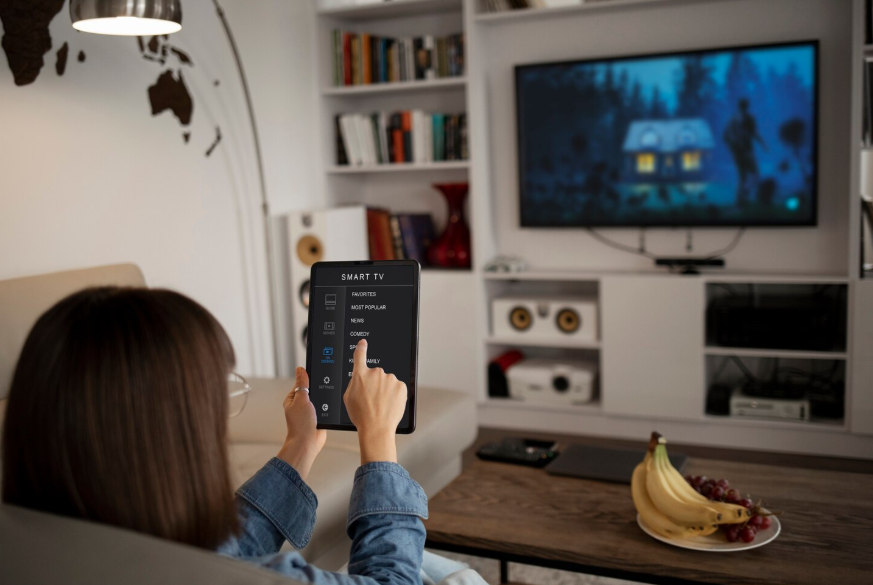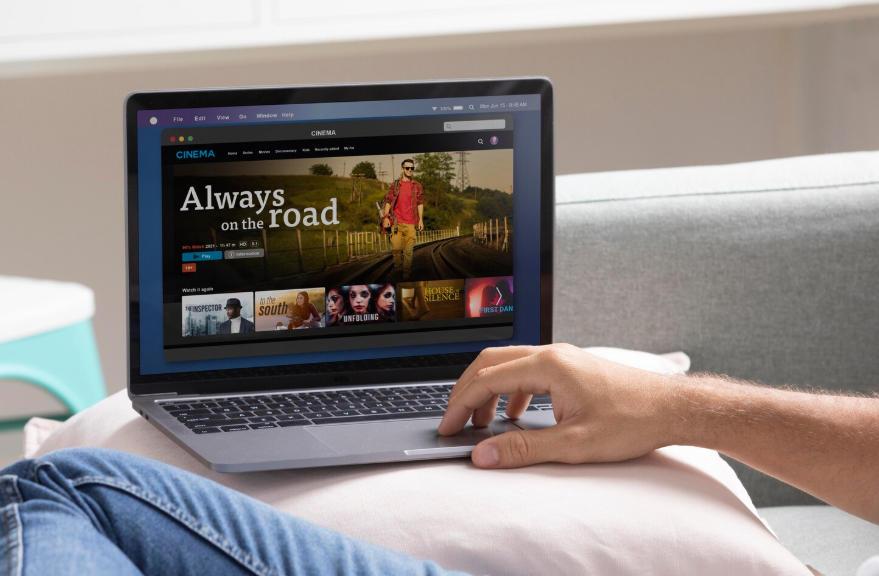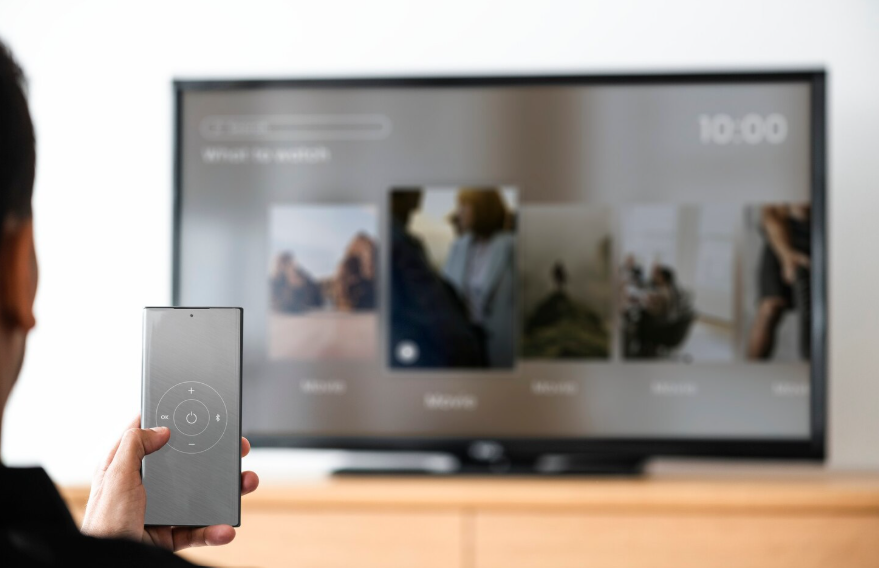
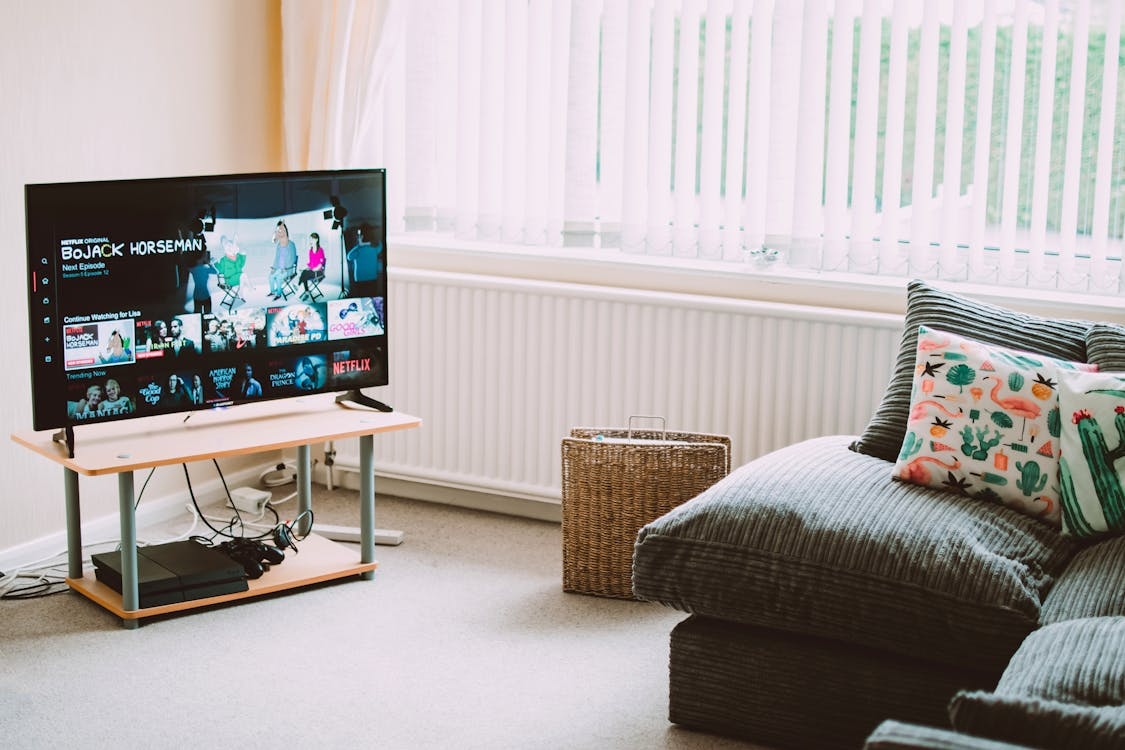
When done correctly, a whole-home streaming system makes streaming flexible, organized, and much easier for everyone in the household to use daily.
As cord-cutting becomes more common, many households eventually move beyond streaming on just one television. Families now expect seamless access to movies, live TV, sports, and apps across multiple rooms, devices, and screens throughout the home. A properly designed whole-home streaming system makes that possible without recreating the clutter and complexity of traditional cable installations.
The goal is not simply adding streaming devices everywhere. A successful whole-home setup delivers consistent performance, simple navigation, reliable Wi-Fi coverage, and seamless account management throughout the house.
Start With Strong Internet Coverage
A whole-home streaming system begins with reliable internet.
Many streaming frustrations come not from the streaming services themselves, but from weak Wi-Fi coverage in certain parts of the home. A connection that performs perfectly in the living room may struggle badly in bedrooms, offices, or upstairs areas.
Before adding multiple streaming devices, evaluate Wi-Fi strength throughout the house.
For smaller homes or apartments, a well-placed router may already provide adequate coverage. Larger homes often benefit from mesh Wi-Fi systems that distribute wireless coverage evenly across multiple rooms.
Strong coverage matters far more than simply buying the fastest internet plan available.
Consistent streaming requires stable connectivity everywhere people actually watch television.
See The Best Internet Speeds for Streaming Without Interruptions before upgrading your home plan.
Choose a Consistent Streaming Platform
One mistake many households make is mixing too many different streaming ecosystems throughout the house.
For example, one television may use Roku, another Fire TV, another Apple TV, and another smart TV operating system entirely. While this technically works, it often creates unnecessary confusion because every platform organizes apps, menus, and settings differently.
Using the same streaming platform across multiple rooms creates a more consistent experience.
Viewers learn one interface, one remote style, and one navigation system throughout the house. This significantly simplifies troubleshooting, account management, and daily use.
Roku, Fire TV, Apple TV, and Chromecast systems can all work well. The key is to choose one ecosystem that fits your household well.
Compare Roku Streaming Stick 4K vs Amazon Fire TV Stick 4K before standardizing devices.
Smart TVs and Streaming Devices Can Work Together
A whole-home streaming system does not necessarily require separate streaming hardware for every room.
Some households use smart TV apps in secondary spaces while reserving dedicated streaming devices for heavily used televisions. Others prefer dedicated devices everywhere for consistency and better long-term performance.
The best setup depends on how each room is used.
For example, guest rooms or kitchens may function perfectly with built-in smart TV software. Main living areas and family rooms often benefit more from dedicated streaming hardware because those televisions are used more heavily daily.
Flexibility matters more than forcing identical hardware into every room unnecessarily.
Explore Smart TVs vs Streaming Devices: Do You Really Need Both? before buying extra hardware.
Organize Streaming Accounts Carefully
Whole-home streaming becomes much easier when streaming accounts are organized properly from the beginning.
Use separate profiles for different family members whenever possible. This keeps recommendations, watch histories, and continue-watching lists from becoming chaotic across multiple rooms and devices.
It is also important to understand simultaneous stream limits tied to subscriptions. Some streaming plans only allow a limited number of devices to stream at once.
Larger households may benefit from upgraded subscription tiers if several family members regularly stream simultaneously in different rooms.
Good account organization prevents many of the frustrations that make whole-home streaming feel complicated later.
Use Ethernet for Main Entertainment Areas
While Wi-Fi works well for many rooms, wired Ethernet connections still provide the most stable streaming performance.
For main televisions heavily used for live sports, 4K movies, or family movie nights, Ethernet connections often improve reliability noticeably.
Wired connections reduce buffering risk, improve consistency, and eliminate many wireless interference issues.
Not every room requires Ethernet, but strategically using wired connections in high-priority entertainment spaces can significantly strengthen the overall streaming system.
This becomes especially useful in larger households with heavy simultaneous streaming activity.
Shared Audio and Smart Features Add Convenience
Modern whole-home streaming setups increasingly integrate audio and smart-home features alongside video streaming itself.
Voice assistants, Bluetooth speakers, smart remotes, and wireless sound systems can simplify navigation and improve entertainment flexibility across multiple rooms.
For example, viewers may use voice commands to launch apps, control playback, or search for shows without constantly navigating menus manually.
Some households also synchronize music and audio throughout different rooms using smart speakers tied to streaming ecosystems.
These features are optional, but they can make a whole-home streaming setup feel far more connected and modern overall.
Free Streaming Helps Reduce Household Costs
One hidden advantage of whole-home streaming systems is the flexibility to balance paid and free entertainment.
Not every room requires access to every premium subscription simultaneously. Secondary televisions often work perfectly well with free streaming platforms like Tubi, Pluto TV, Roku Channel, or Freevee.
This reduces pressure to maintain oversized streaming stacks purely for background television or casual viewing in multiple rooms.
Many households discover that free streaming services meet a large share of their day-to-day entertainment needs outside their primary viewing areas.
This keeps both costs and complexity under better control.
Check The Ultimate Guide to Free Streaming Services for no-cost options.
Simplicity Creates the Best Whole-Home Experience
The best whole-home streaming systems are not necessarily the most expensive or technologically advanced. They are the ones that feel reliable, organized, and easy to use throughout the house.
Strong Wi-Fi, consistent platforms, thoughtful account management, and simple navigation matter far more than filling every room with complicated hardware.
Streaming works best when entertainment feels flexible and seamless rather than cluttered and confusing.
For cord-cutters, a well-designed whole-home streaming system often delivers more convenience than traditional cable ever provided, without the contracts, bulky hardware, or excessive monthly fees.