Understanding the best internet speed for streaming helps households avoid both buffering frustration and unnecessary overpaying for internet.
One of the most common questions cord-cutters ask is how much internet speed they actually need for streaming. Internet providers often advertise massive speed packages, but many households are unsure whether those expensive plans are truly necessary for smooth streaming performance.
The truth is that streaming requirements depend heavily on viewing habits, video quality, household size, and the number of devices sharing the connection simultaneously. A single viewer watching HD Netflix requires far less bandwidth than a family streaming multiple 4K videos while gaming and participating in video calls simultaneously.
HD Streaming Requires Less Speed Than Most People Think
For standard HD streaming, internet demands are surprisingly modest.
Most major streaming platforms recommend around 5 Mbps for stable HD video playback. In practice, households generally benefit from slightly higher speeds to accommodate network fluctuations and additional devices, but the baseline requirements remain relatively low.
This means many smaller households can stream comfortably without ultra-premium broadband packages.
For single viewers or couples primarily watching HD content on one or two screens, internet plans with speeds of 50 to 100 Mbps often provide more than enough performance.
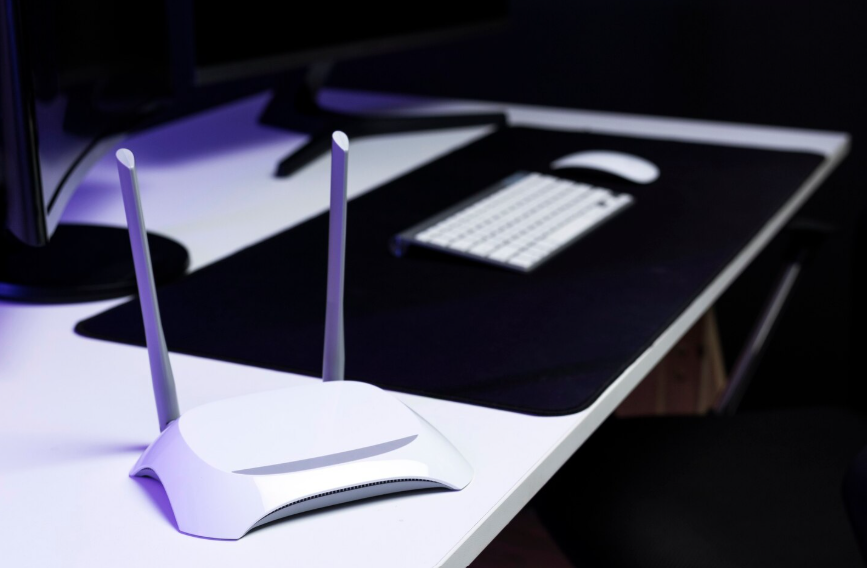
The problem is not usually raw speed alone. Wi-Fi stability, router quality, and network congestion often matter more than advertised bandwidth numbers.
Compare Streaming in 4K vs HD: Is the Upgrade Worth It? before upgrading.
4K Streaming Changes the Equation
4K streaming significantly increases bandwidth demands.
Most streaming services recommend roughly 15-25 Mbps per 4K stream, depending on compression quality and platform optimization. Households streaming multiple 4K videos simultaneously therefore require much stronger overall connections.
This becomes especially important for larger families where several televisions, tablets, or gaming systems may all compete for bandwidth simultaneously.
4K video also tends to expose weak Wi-Fi performance more clearly than HD streaming. Even when internet speeds appear technically sufficient, unstable wireless coverage can still create buffering and quality drops.
For households heavily invested in 4K streaming, stronger internet plans often become much more worthwhile.
Household Size Matters More Than Peak Speed
One mistake many people make is focusing only on maximum internet speed rather than actual household usage patterns.
A single Netflix viewer does not need the same connection as a family with several simultaneous streams, online gaming, smart-home devices, cloud backups, and remote-work traffic all happening at once.
The more devices sharing the network simultaneously, the more important bandwidth flexibility becomes.
For example, a household with four active streamers may require substantially more bandwidth than a single-user home, even if each stream technically uses only moderate speed.
This is why cord-cutters should evaluate internet needs based on the entire household’s behavior rather than just one television.
See Streaming for Families: How to Balance Kids, Parents, and Shared Accounts for shared usage.
Streaming Stability Matters More Than Gigabit Marketing
Internet providers aggressively market gigabit speeds, but many households never come close to fully utilizing that much bandwidth.
In reality, stable, consistent internet often matters far more than the maximum advertised speed.
A reliable 100 Mbps connection with strong Wi-Fi coverage usually provides a better streaming experience than an unstable gigabit plan plagued by router issues, dead zones, or congestion.
For many cord-cutters, upgrading networking equipment improves streaming quality more effectively than repeatedly upgrading internet tiers.
Reliable routers, mesh Wi-Fi systems, and proper router placement often matter more than chasing ever-higher speed numbers.
Explore How to Improve Streaming Quality on Slow Internet Connections for smoother playback.
Live TV and Sports Require Consistency
Live TV streaming behaves slightly differently from on-demand video.
Sports, live news, and real-time broadcasts rely heavily on connection stability because buffering during live events feels far more disruptive than occasional delays during on-demand viewing.
Households focused heavily on live TV streaming often benefit from slightly higher bandwidth margins and stronger Wi-Fi consistency.
Wired Ethernet connections can also improve reliability dramatically for live sports fans.
While on-demand streaming sometimes masks temporary slowdowns through buffering ahead, live broadcasts have much less flexibility to absorb network instability.
For sports-focused cord-cutters, connection consistency becomes especially important.
Upload Speeds Matter More Than They Used To
Streaming itself primarily uses download bandwidth, but modern households increasingly rely on upload speed too.
Video calls, cloud backups, online gaming, smart-home systems, and remote work all place demands on upload performance. When upload bandwidth is overloaded, streaming quality can suffer indirectly due to network instability.
This is particularly noticeable in households where multiple people work from home while others stream entertainment simultaneously.
Fiber internet plans often perform especially well here because they offer much higher upload speeds than many cable internet packages.
As households become more connected overall, balanced internet performance matters more than simple download speed alone.
Free Streaming and Ads Affect Bandwidth Less Than Expected
Many viewers assume free streaming services require dramatically different internet performance, but most free platforms use similar streaming technology to paid services.
The main difference is advertising interruptions, not significantly higher bandwidth requirements.
Tubi, Pluto TV, Roku Channel, and other FAST platforms generally stream comfortably on moderate internet connections just like standard subscription services.
For budget-conscious cord-cutters who rely heavily on free streaming, stable mid-tier internet plans are often entirely sufficient.
Again, a strong Wi-Fi organization usually matters more than maximum speed numbers.
Check Sling TV vs Fubo: Best for Sports Fans? for other streaming options.
Most Households Need Less Speed Than Advertised
Internet providers benefit when consumers assume faster is always better.
In reality, many households pay for far more speed than they actually use. For average HD streaming households, moderate broadband plans often provide excellent performance when paired with good networking equipment.
Larger homes, heavy 4K usage, gaming, remote work, and multi-user streaming naturally increase bandwidth needs. However, streaming quality issues often stem from a poor Wi-Fi setup rather than insufficient internet speed.
The best streaming experience comes from balancing realistic bandwidth needs with reliable network stability, rather than automatically chasing the biggest internet package available.