The better choice between Roku vs Fire TV Stick 4K depends less on technical specs alone and more on how you prefer to interact with streaming overall.
For many cord-cutters, choosing the right streaming device matters just as much as choosing their streaming services. A good streaming stick can simplify navigation, improve app performance, and make the entire viewing experience feel smoother and more enjoyable. Two of the most popular options remain the Roku Streaming Stick 4K and the Amazon Fire TV Stick 4K.
Both devices are affordable, compact, and capable of handling modern streaming needs, including 4K video, HDR formats, and access to major streaming apps. However, the experience each platform delivers feels surprisingly different once you start using it daily.
Roku Prioritizes Simplicity and Ease of Use
Roku has built its reputation around simplicity.
The Roku Streaming Stick 4K features a clean, straightforward interface focused primarily on getting viewers into apps quickly without excessive distractions. Menus are simple, navigation feels intuitive, and the home screen avoids becoming overly cluttered with promotional content.
For many households, especially seniors or less tech-focused users, Roku’s simplicity becomes one of its biggest advantages.
The device also performs strongly for viewers who subscribe to multiple streaming services because the interface generally treats apps more neutrally. Roku does not aggressively prioritize one content ecosystem over another.
This creates a more balanced experience that many cord-cutters appreciate.
Roku’s search functionality also works well across platforms, helping users find shows and movies without manually checking each streaming app.
See Cord-Cutting for Seniors: Simple Streaming Setups That Actually Work for beginner-friendly setup ideas.
Fire TV Focuses Heavily on Amazon Integration
Amazon’s Fire TV Stick 4K takes a more ecosystem-driven approach.
The device integrates tightly with Amazon services, Alexa voice controls, Prime Video recommendations, and Amazon’s broader smart-home environment. For households already heavily invested in Amazon products, this can create a very convenient experience.
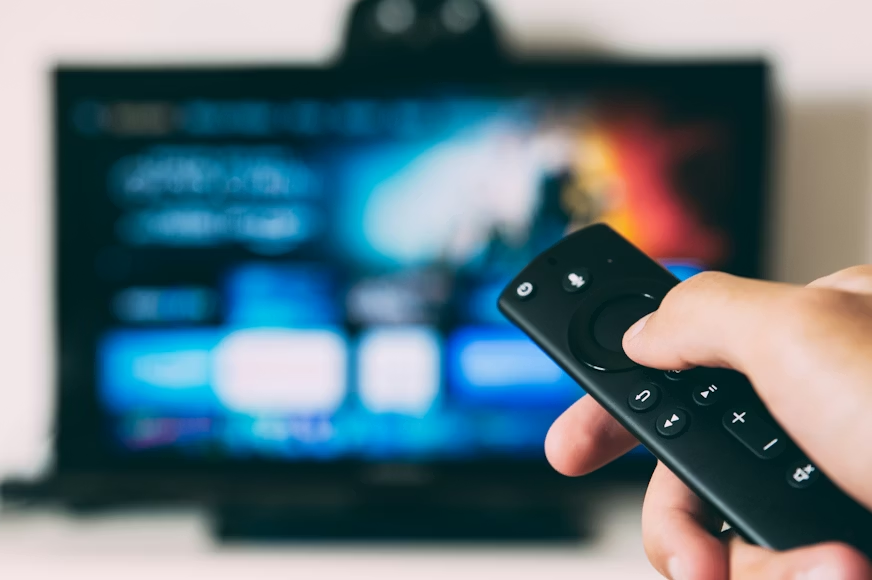
Voice search through Alexa is one of Fire TV’s strongest features. Viewers can search for shows, launch apps, control smart-home devices, or check information using voice commands directly through the remote.
However, Fire TV’s interface tends to feel more content-heavy and promotional than Roku’s cleaner layout.
Amazon aggressively highlights Prime Video content and recommended programming throughout the home screen. Some users appreciate these recommendations, while others find the interface more visually overwhelming.
Both Devices Handle 4K Streaming Well
From a pure streaming-performance standpoint, both devices deliver strong results.
The Roku Streaming Stick 4K and Fire TV Stick 4K both support modern 4K streaming, HDR formats, fast app loading, and major streaming platforms, including Netflix, Disney+, Hulu, Max, Prime Video, Peacock, YouTube, and others.
For average viewers, the day-to-day differences in video quality between devices are relatively minor.
Both options also remain compact enough to hide neatly behind televisions, making them ideal for minimalist setups, apartments, or travel use.
At this point, the choice between them is usually driven more by interface preference and ecosystem integration than raw hardware capability.
Read Streaming in 4K vs HD: Is the Upgrade Worth It? before prioritizing 4K hardware.
Roku Often Feels More Neutral
One reason many cord-cutters gravitate toward Roku is platform neutrality.
Roku’s interface generally treats streaming apps more equally rather than constantly steering viewers toward one company’s content ecosystem. This can make the overall experience feel cleaner and less commercially aggressive.
Fire TV, by contrast, often feels designed to encourage Prime Video engagement through sponsored recommendations and promoted content.
For viewers who want their streaming device to function as a straightforward gateway to apps, Roku’s lighter-touch approach can feel more comfortable.
This becomes especially important for households juggling multiple streaming subscriptions.
Fire TV Appeals More to Smart-Home Users
Amazon Fire TV performs especially well for households already using Alexa-enabled smart-home devices.
Voice integration allows users to control lights, check the weather, manage smart-home routines, and interact with other connected devices directly through the television.
For tech-oriented households, this creates a more integrated entertainment ecosystem than Roku currently offers.
Fire TV also tends to appeal more strongly to Prime-heavy households because Amazon services are integrated so deeply into the experience.
If Prime Video already serves as a major entertainment hub in your home, Fire TV may feel more seamless overall.
Compare Netflix vs Amazon Prime Video: Which Offers Better Value in 2026? before choosing a setup.
Roku Usually Feels Better for Beginners
While both devices are beginner-friendly compared to older streaming hardware, Roku generally wins on simplicity.
The menus are easier to understand quickly, settings remain relatively straightforward, and the platform avoids overwhelming users with too many recommendations or interface layers.
This makes Roku particularly attractive to first-time cord-cutters, older adults, or households transitioning away from cable.
The simpler experience also reduces frustration during everyday use.
Many viewers ultimately care less about advanced smart-home integration and more about simply finding shows quickly without navigating cluttered menus.
Pricing Often Depends on Sales
One reason these devices compete so closely is pricing.
Both Roku and Amazon frequently discount their streaming sticks heavily during sales events, holiday promotions, and major shopping periods. As a result, the price gap between them often shifts throughout the year.
For many buyers, whichever device happens to be on sale at the time becomes the more attractive value.
Because both perform well technically, ecosystem preference and interface style usually matter more than minor price differences alone.
Check The Best Budget Streaming Setups for Under $100 before buying streaming hardware.
The Best Streaming Device Depends on Your Priorities
The Roku Streaming Stick 4K and Amazon Fire TV Stick 4K are both excellent streaming devices, but they serve slightly different audiences.
Roku prioritizes simplicity, neutrality, and ease of use. Fire TV emphasizes ecosystem integration, Alexa controls, and Amazon-centric convenience.
For viewers wanting a clean, cable-replacement experience, Roku often feels more approachable. For tech-heavy households already invested in Amazon products, Fire TV may deliver stronger overall convenience.
The best streaming device is the one that fits naturally into how your household already watches entertainment and uses technology day-to-day.